
Cuddle That Weight: A guide to weighted blankets
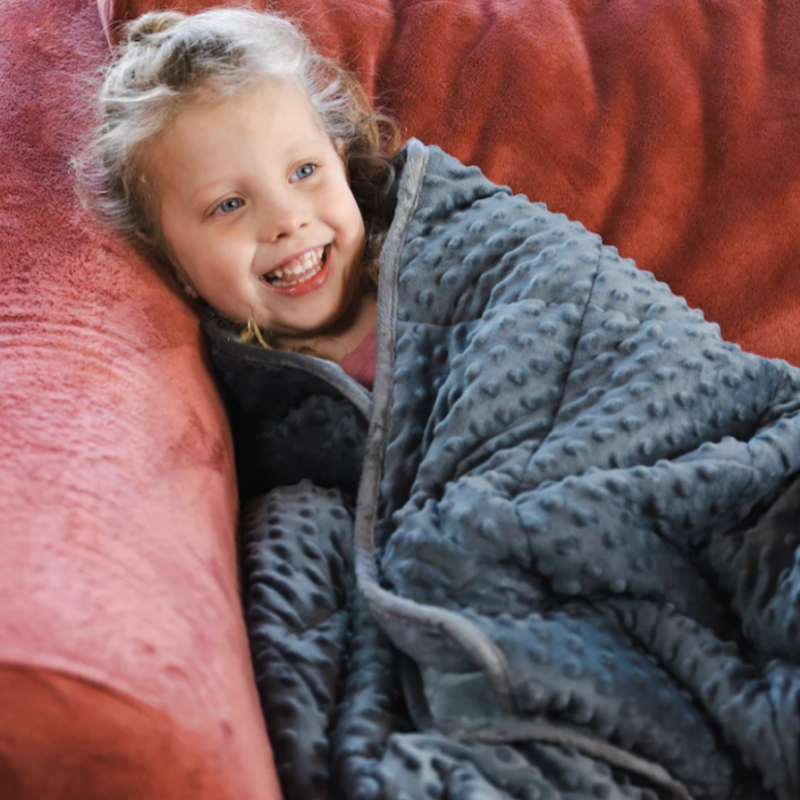
It’s one of the coziest feelings: curling up under a large blanket after a long day or crawling into bed and pulling your comforter up all the way up to your chin. Getting under the covers signals to your body and your mind, Get ready to relax!
Sometimes, though, it’s hard to unwind. Our bodies carry stress from the day. Our minds can remain overactive long after we’ve left work or school. Folks with sensory disorders like autism or ADHD might have an even harder time settling down. They might find themselves needing to kick up their cozy game to really get in the mood to chill.
Enter: the weighted blanket.
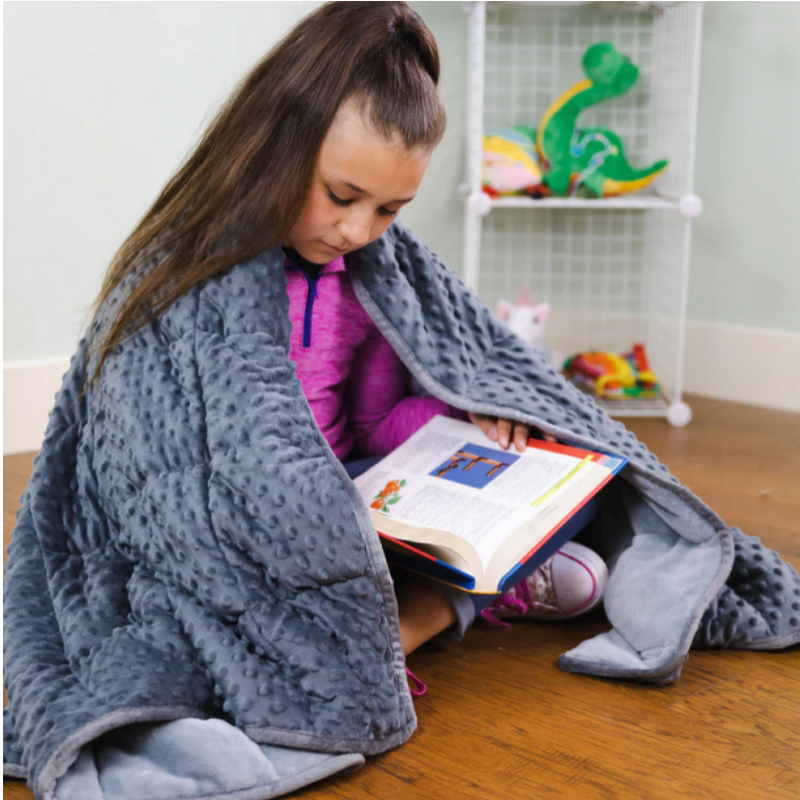
In recent years, weighted blankets have surged in popularity, and for good reason. These comforting blankets are heavier than your standard cover and apply gentle, even pressure across the body. This mimics the feeling of being hugged, swaddled, or held, and can have a profound impact on physical and mental well-being.
Whether you’re looking to improve your sleep, reduce anxiety, or enhance your overall sense of calm, a weighted blanket may just be the solution you’ve been searching for. Let’s dive into the many benefits of using weighted blankets.
But first, what are they?
Weighted blankets are, as the name suggests, blankets designed to be heavier than your typical covering. Some weighted blankets are quilts filled with materials like glass beads or plastic pellets. Others are knit with especially thick yarn or cord. The added heft makes these blankets especially cozy. When spread flat, they apply a uniform pressure to the wearer’s body, which induces a sense of security, peace, and relaxation.
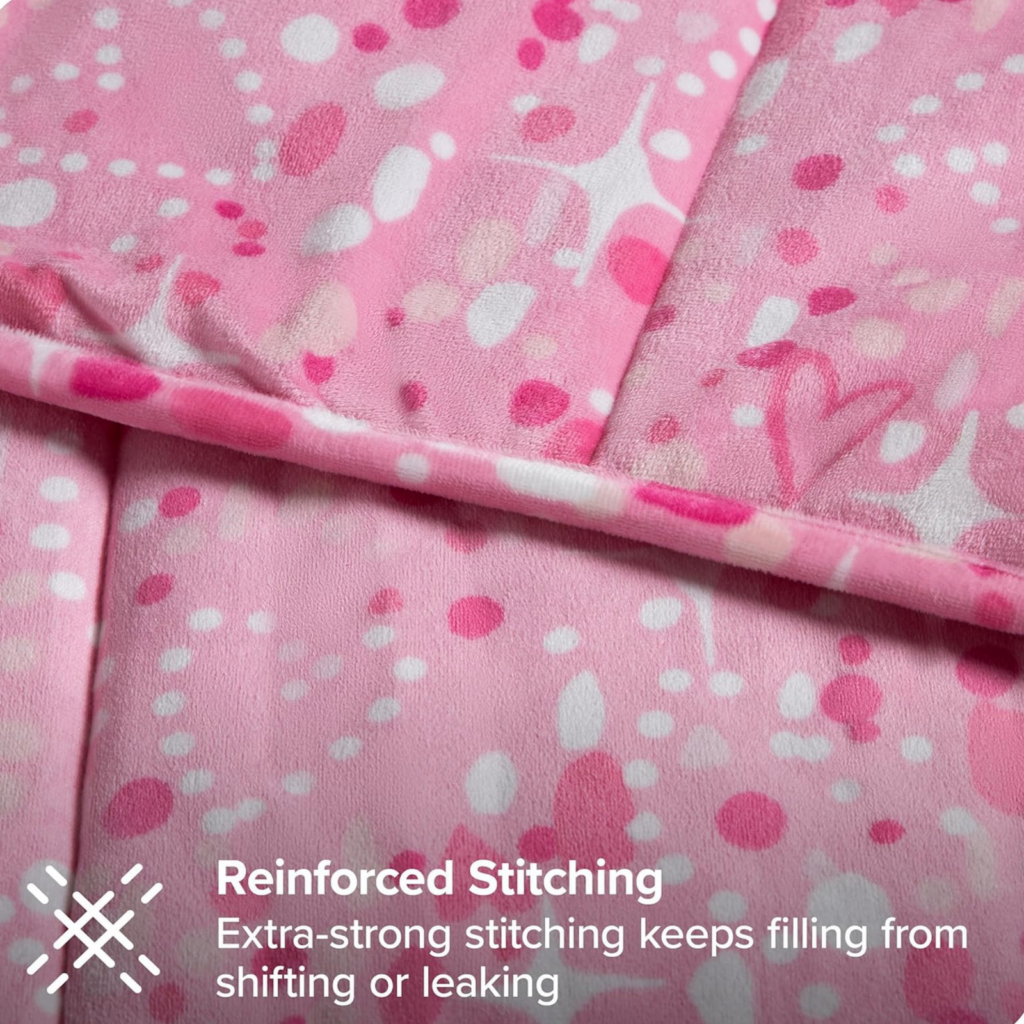
Though the popularity of these snug covers has surged in recent years, weighted blankets are nothing new. In fact, the idea of bodily pressure as a form of sensory therapy goes back to the 1960s. It’s credited to animal scientist Temple Grandin, who invented a “hug machine” in 1965 to help quell the anxiety and overstimulation that she experienced as part of her autism disorder.
Since then, the use of “deep pressure therapy” has become common in occupational therapy for folks with sensory disorders and concomitant diagnoses such as ADHD, anxiety, or autism.
What happens when we use a weighted blanket?
Some of the benefit of a weighted blanket is psychosomatic: it simply feels good!
But using a weighted blanket provides more than just a cozy feeling. The slight pressure actually prompts physiological responses in the body.
The firm, soothing pressure of a weighted blanket may increase the brain’s release of serotonin, which is a hormone that promotes feelings of calm and well-being. The pressure of a blanket may also prompt the brain to release melatonin, a hormone that regulates sleep.

Additionally, the feeling of being swaddled or held may reduce the body’s production of cortisol, a hormone that is released in response to stress.
Cortisol is not our enemy – it plays an important role in helping us to manage stress by kicking our body into gear when we need, for instance, a surge of energy to pull through a busy week or increased blood flow to finish a hard physical task.
However, cortisol production can also make it difficult to fall or stay asleep. Heightened cortisol levels can also make us anxious, irritable, and unfocused. A weighted blanket can help tell your body that it’s okay to relax, making it easier to come down after a period of stress.
What are the benefits of using a weighted blanket?
Because of their physiological impact, weighted blankets provide a host of benefits to folks who use them.

First, weighted blankets can improve a person’s sleep quality. The gentle pressure of a weighted blanket can help a person fall asleep more easily. It can also produce more restful sleep cycles while they slumber.
Second, using a weighted blanket can help reduce a person’s feelings of stress and anxiety. The deep pressure of a weighted blanket can induce the brain to release relaxing hormones. The whole-body sensation can also help joints and muscles unwind.
Third, weighted blankets have been demonstrated to have soothing benefits for children and adults with ADHD. By providing a firm point of pressure for the child to hone in on, weighted blankets and pads can help hyperactive children focus on tasks and resist distraction.

Lastly, weighted blankets can help individuals with sensory processing disorders cope with sensory overload or fulfill sensory seeking. The soft whole-body pressure can be grounding and can also help diffuse the body’s reception of sensory input.
Choosing the right size weighted blanket
While weighted blankets can provide many benefits, they can also cause problems if used improperly. A blanket that is too light might not provide any of its soothing effects. On the other hand, a blanket that is too heavy may be uncomfortable or even cause injury. So, it’s important to select the right size for you or your child.
To choose the right size, consider two factors: your body weight, and the size of your bed.
The general recommendation is that a weighted blanket should be about 10% of your body weight. So, if you weight 150 pounds, you may get the best benefits with a 15-pound blanket. This will provide enough pressure to activate the calming benefits without feeling too heavy or restrictive.
You also want a blanket that covers the part of your body you want pressure on. Some people want a blanket large enough to cover them from their toes to the chin. Other folks may prefer a weighted pad for their lap or stomach. Weighted pads are smaller than weighted blankets and may be appropriate for use in work or school settings.
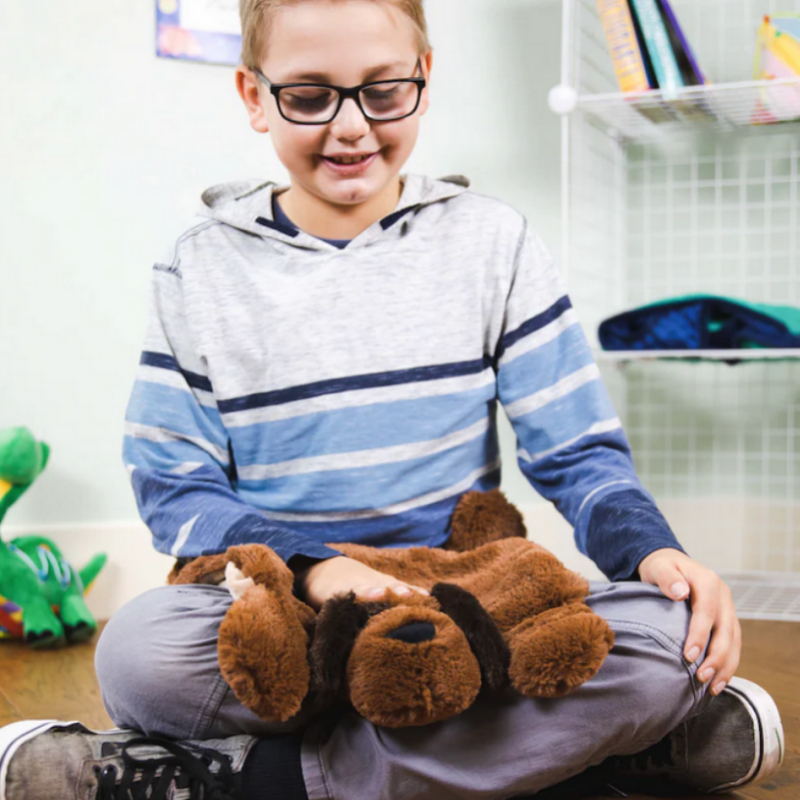
In either case, the total weight will be spread across the surface area. So, it’s important to take note of the area dimensions of the blanket you are considering in addition to its weight.
Of course, these factors are subject to personal preference. Some people may enjoy cuddling under a lighter blanket. Others who prefer a stronger sense of pressure or may have a heavier build may opt for a slightly heavier blanket. The sweet spot tends to be a blanket that provides pressure without hindering your movement.