
Chew the Right Thing: Choosing the best chewable aid for your child

Parents of children who seek oral sensory input know: anything can become a chew toy. Shirt sleeves, pencils, and even fingers are all up for grabs. But, of course, many things are not appropriate or safe for putting in one’s mouth. That’s where choosing the right chewelry — chewable jewelry — comes in.
Chewelry are wearable sensory aids designed to look like everyday jewelry but made to meet oral sensory needs. They come in a variety of forms, such as necklaces, bracelets, or pencil toppers, and are a safe and subtle way for children to self-regulate.
But with so many different designs available, how can you know which chewable aid to choose? In this post, we’ll walk you through some key things to consider when selecting chewelry that’s safe and effective for your child’s specific needs.
But first, is it okay to buy your child chewelry?
Parents may wonder if it’s safe or appropriate to buy a chew toy for their child. As we’ve discussed previously, chewelry is not just okay for children to use – it’s a great option for providing a safe and discreet sensory outlet for children who need one!
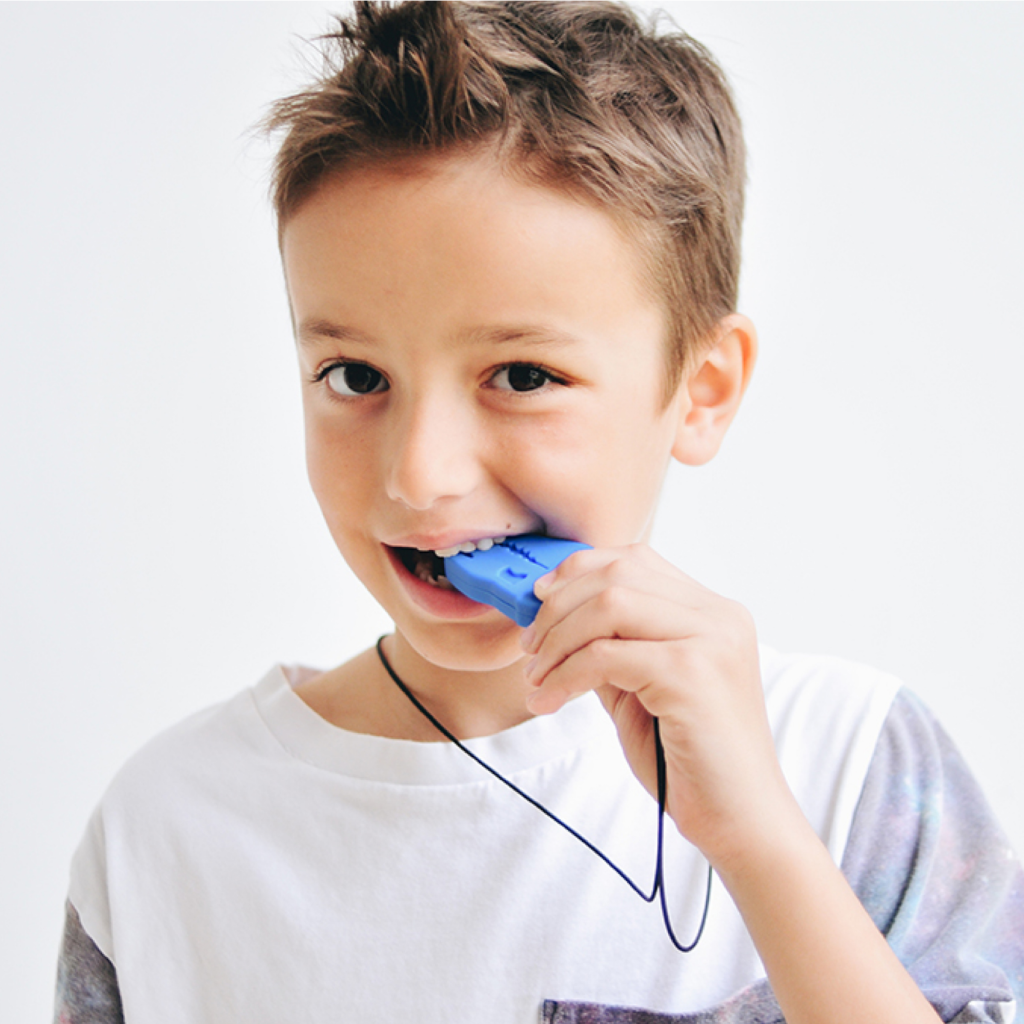
High quality chewelry is made from non-toxic, medical- or food-grade materials that are free of harmful chemicals like BPA, phthalates, and lead. The chewelry offered by Diversity in Toys is also large enough so as to not be a choking hazard — and durable enough to withstand wear and tear by even the most habitual chewers.
Most importantly, chew aids serve an important function for the children who use them. If your child is a chewer, they may be trying to fill a sensory or emotional need. Chewelry can help!
Why do some children need chewing aids?
Believe it or not, chewing in itself is not a bad behavior. It serves a purpose for the children who engage in it.
Children who chew may find that it helps them self-soothe during moments of stress or anxiety. It can also provide a comforting focus during moments of sensory overload for children with sensory processing disorders like autism. Chewing can also serve as a calming activity for children with regulatory issues like autism, anxiety or ADHD.

However, chewing can become a problem when children chew on things that are dangerous to their health or socially inappropriate. Chewelry solves that problem by being visually discreet but materially high-quality.
For children who have difficulty paying attention, a chewing aid can also act as a fidget toy. Fidgets help users focus by giving their restless energy an outlet while their conscious mind focuses on the task at hand.

Lastly, chewelry can support oral motor development in children who might be struggling with speech or feeding skills. Chewing is an activity that requires jaw strength and coordination. Chewelry provides the perfect training ground for these skills.
Overall, understanding why your child chews can help guide you toward the right type of chewelry.
So, how can you choose the right chew for your child?
There are some standards that you should look for in every piece of chewelry that you buy. Look for pieces that are made from food- or medical-grade silicone and are free of toxic materials like BPA, phthalates, or lead.
Your child’s chewelry should also be easy to clean with soap and water, or even dishwasher safe. And many pieces, especially necklaces, come with breakaway clasps to reduce the risk of choking or strangulation.

Once these safety standards are accounted for, the chewable that you buy should match your child’s needs in a few key areas.
First, Consider Chewing Style
Not all chewing is the same! Chewing can differ in two important ways: placement and rigor. These are two of the most important things to consider when choosing a chew aid for your child.
When it comes to placement, some children are “front teeth” chewers. This is the most versatile type of chewing because front teeth chewers can easily nibble on many different shapes.
“Back teeth” chewers, on the other hand, require chews that are long and slender enough to reach the back of their mouth.
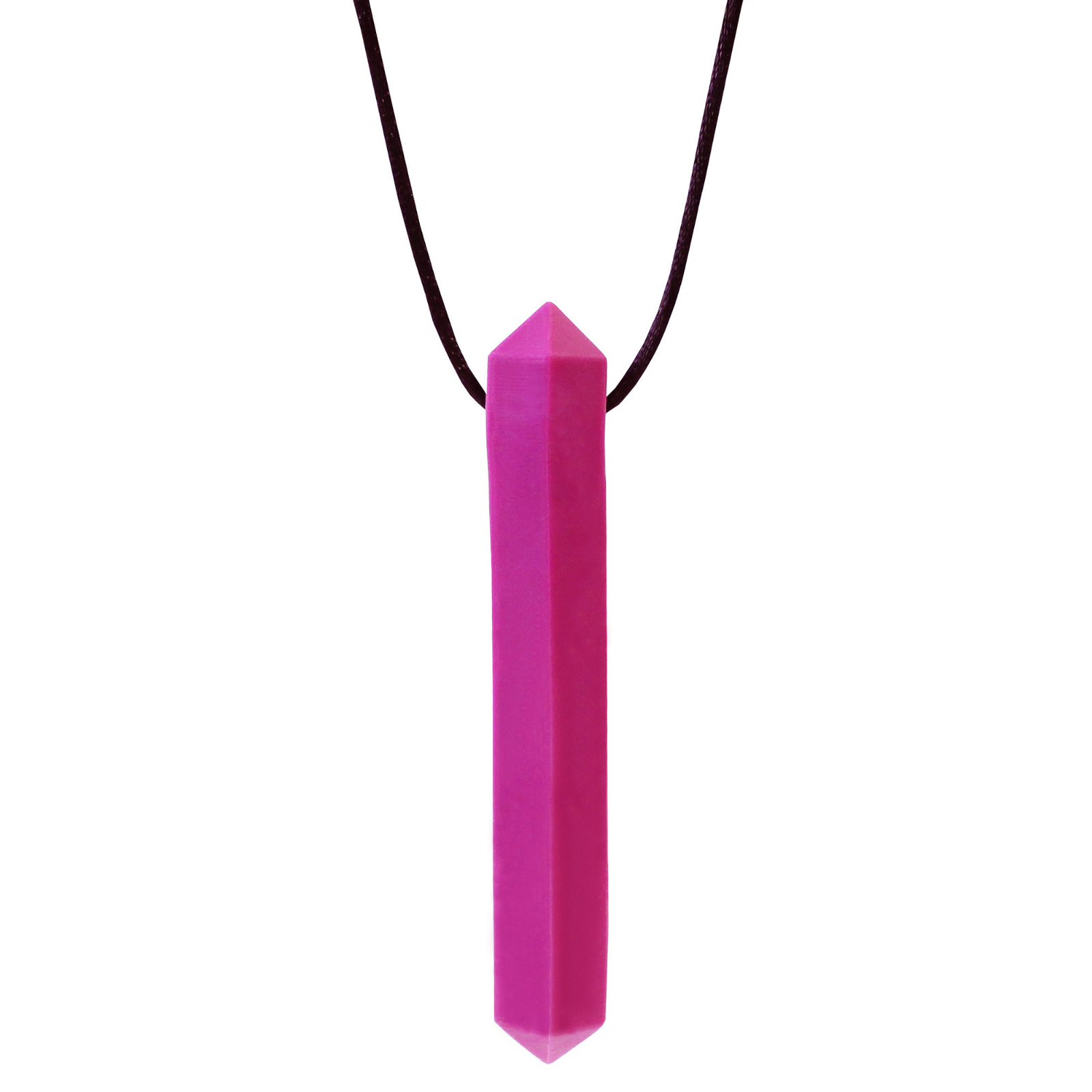
Rigor refers to how hard and how often your child likes to chew. Some children are “light” chewers and may chew only occasionally or gently. Soft, flexible silicone options work well for them and are often more comfortable.
“Moderate” or “mild” chewers may benefit from medium-firm textures that provide resistance without wearing out quickly.
If your child bites down hard and frequently, you’ll need extra-durable chewelry for your “aggressive” chewer. Look for pieces labeled as “XXT” (extra extra tough) or “designed for aggressive chewers.” These are often denser and built to last longer without breaking.
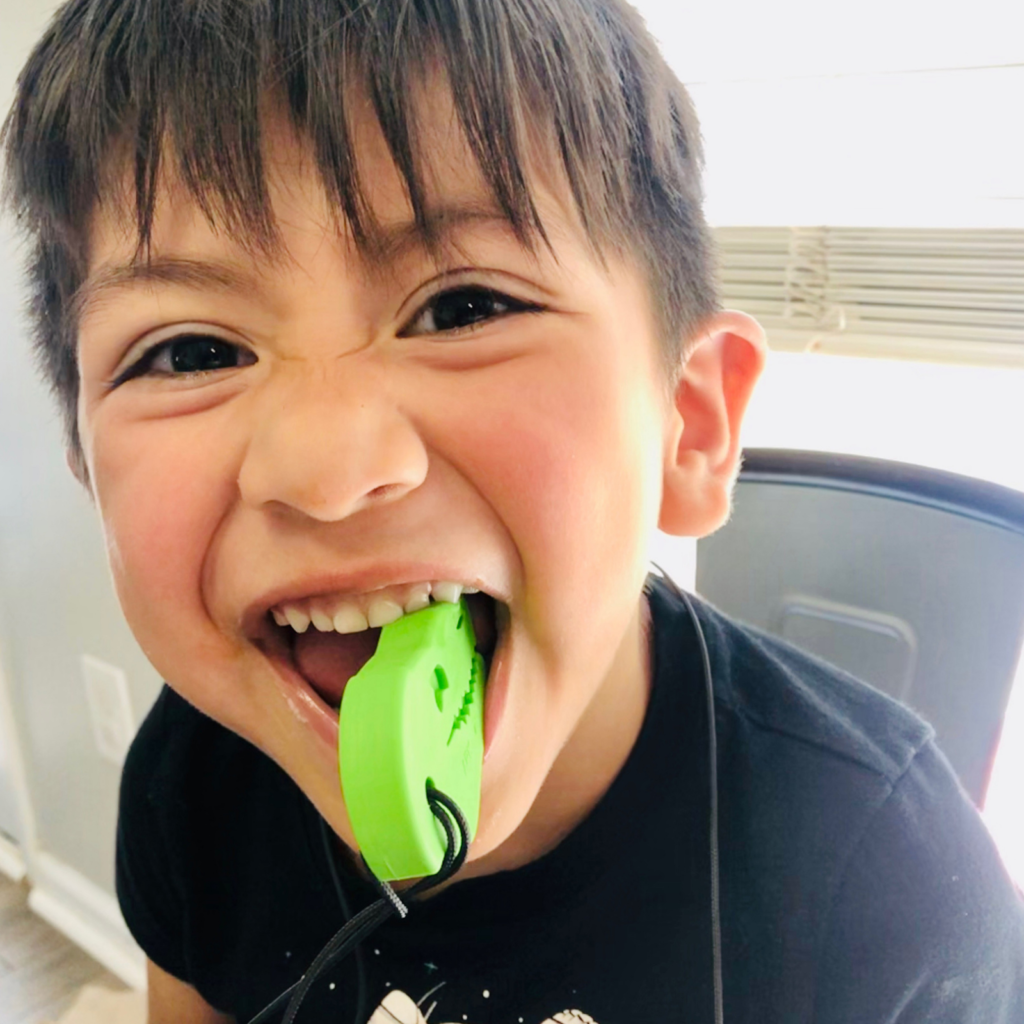
Next, Think About Texture
“Mouthfeel” is a term used by foodies to refer to the physical feeling of food in your mouth. The idea applies just as much to sensory chewing.
Some kids love sucking on a smooth surface. Others crave exciting textures that they can explore with their teeth and tongue.
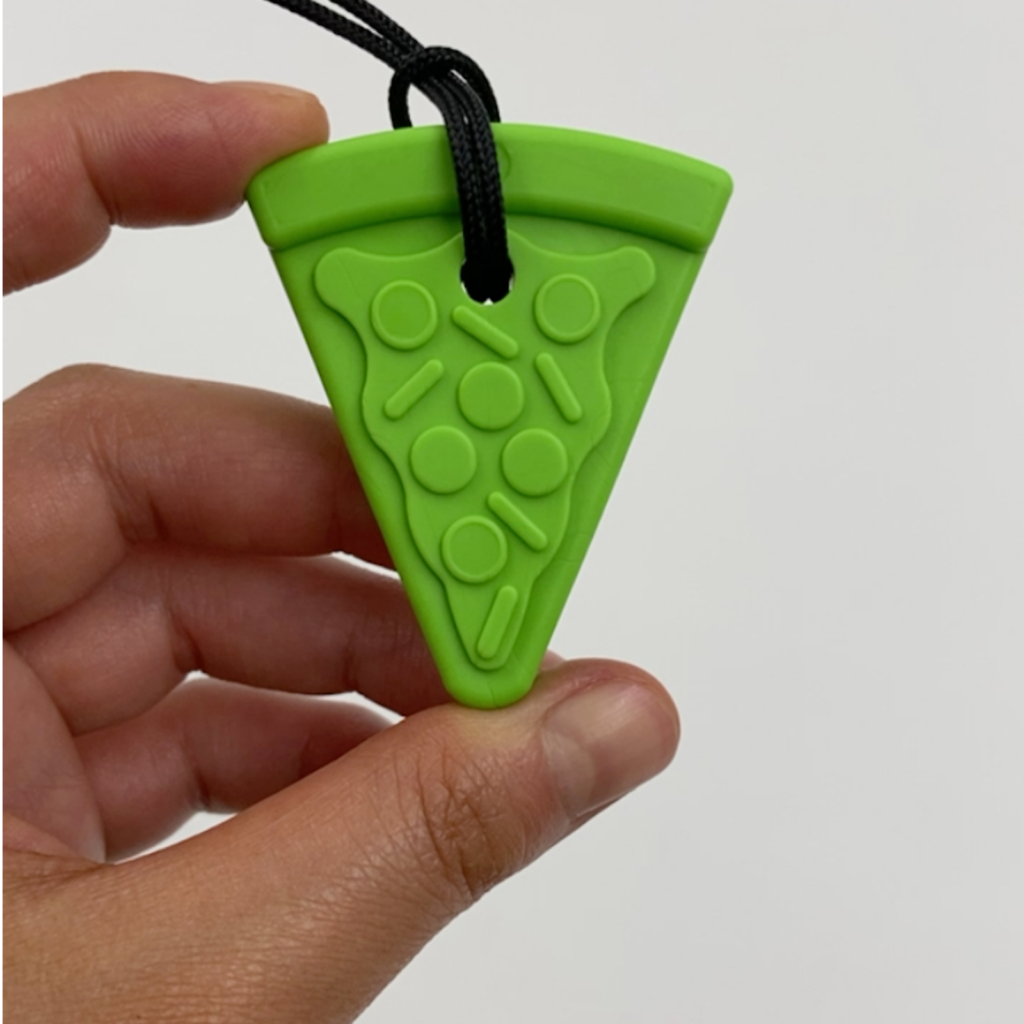
Luckily, chewelry comes in both varieties! Consider the types of items that your child likes to put in their mouth. Then, look for chewables with similar surface textures.
This quality is more a matter of preference than safety. So, if your child can communicate their druthers to you, feel free to ask!
Third, Ask About Appearance
While your child’s chewing style and texture preference will be the foremost factors to dictate the size and shape of their chewelry, their feelings about how the piece of chewelry looks is also important. This is for two reasons.
First, some children may be self conscious about their impulse to chew. So, they may want a chewing aid that is more subtle. Older children and teens in particular might lean toward more discreet options like decorative pendants or chewable pencil toppers that blend into everyday settings.
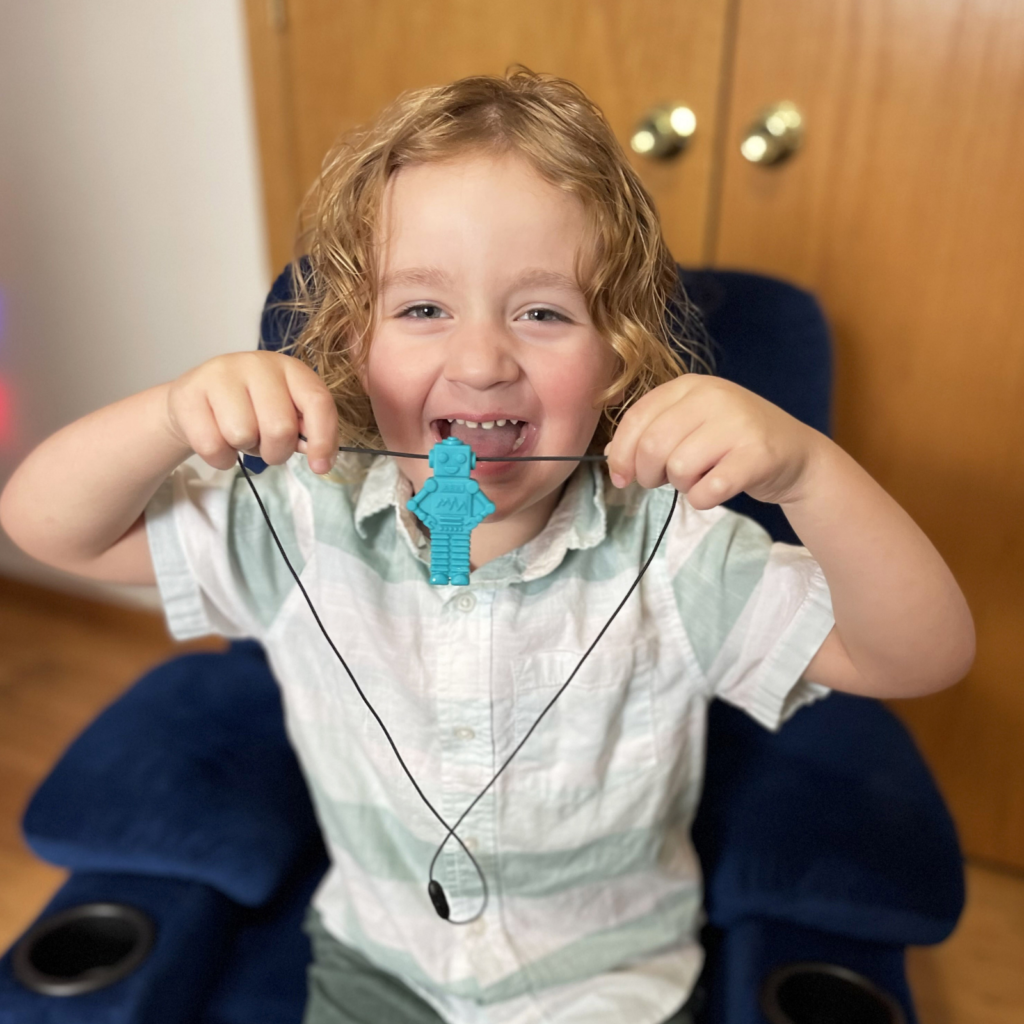
Others may want a piece of chewelry that stands out – after all, “jewelry” is part of its name!
Second, having a piece of chewlery that your child feels they got to pick out may incentivize them to use it more. Sensory aids don’t have to be boring or impersonal. A child can feel like they get to express themselves with their chewable while benefiting from its use as well.
Don’t Forget About Context…
While it’s important to let your child feel expressive through their chewelry, your child’s daycare, school, or afterschool programs may have rules about what children are allowed to wear there.
So, consider where your child will be taking their chewelry. You may want to keep a few different designs on hand so that your child always has an appropriate piece.
Lastly, Relax – And Have Fun With It!
Chewelry can be a game-changer for children who need oral sensory input. By considering your child’s chewing style, preferences, and environment, you can find the right piece that supports their regulation, focus, and overall wellbeing.
As with any sensory tool, what works best might require a little trial and error. But, once you’ve found the right chewelry, your child will have a safe and effective way to meet their needs, build confidence, and thrive.