
5 Summer Art Ideas — with Sensory-Friendly Adaptive Suggestions
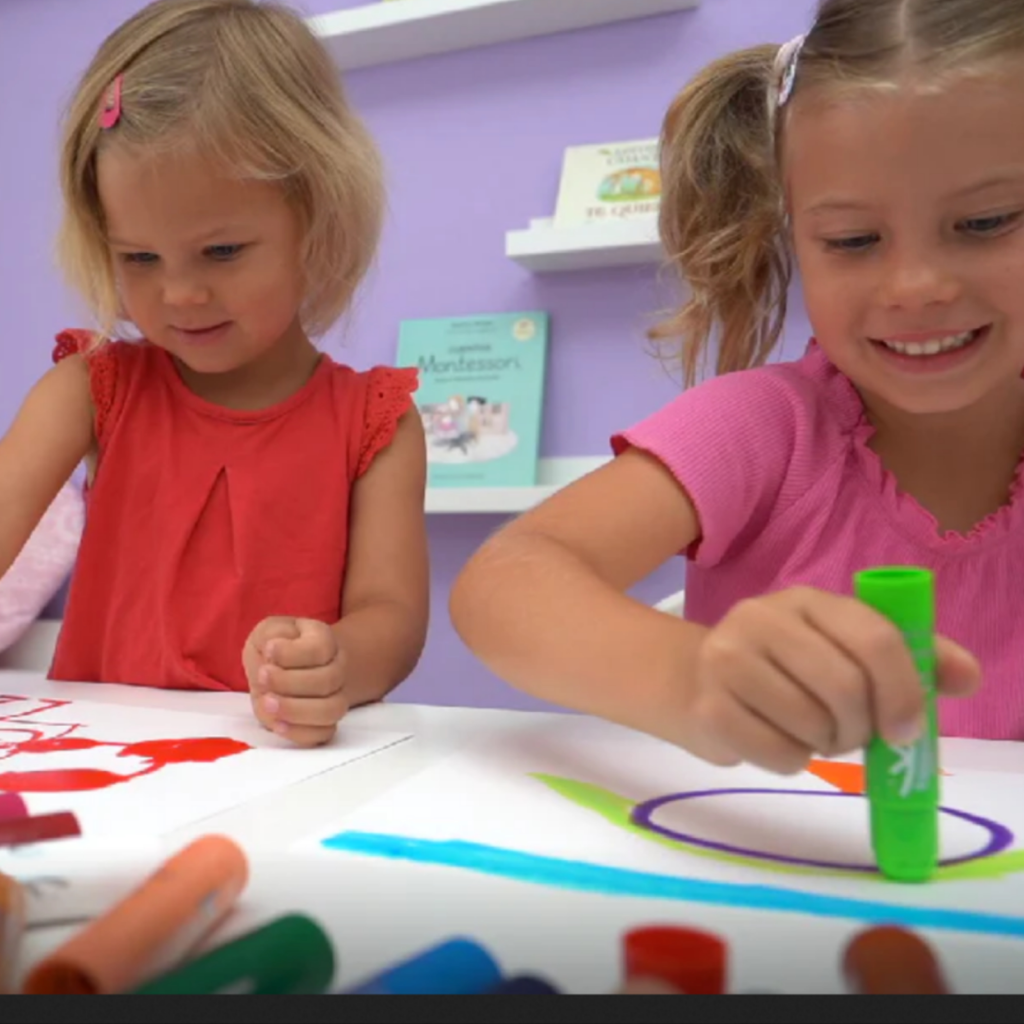
For parents looking for sensory-friendly summer art ideas — here’s your master list of fun, stimulating art projects accessible to children with varying comfort zones!
Its summertime and that means school’s out and it’s time for kids to kick back and relax — right?
Not so fast! Summer is also home of the notorious “summer learning loss”, where students – particularly younger students and students from less resourced households – may lose up to two months’ worth of learning while school is on break.
Studies have shown that it’s important for children to remain engaged with creative and intellectually stimulating tasks over school breaks to retain the skills they learned the previous school year. Kids who remain mentally active during the summer are also better equipped to make the transition back to school in the fall since they don’t have to start from a cold stop.
Parents and guardians may be wondering – what activities can I provide my child that don’t quite feel like “work”?
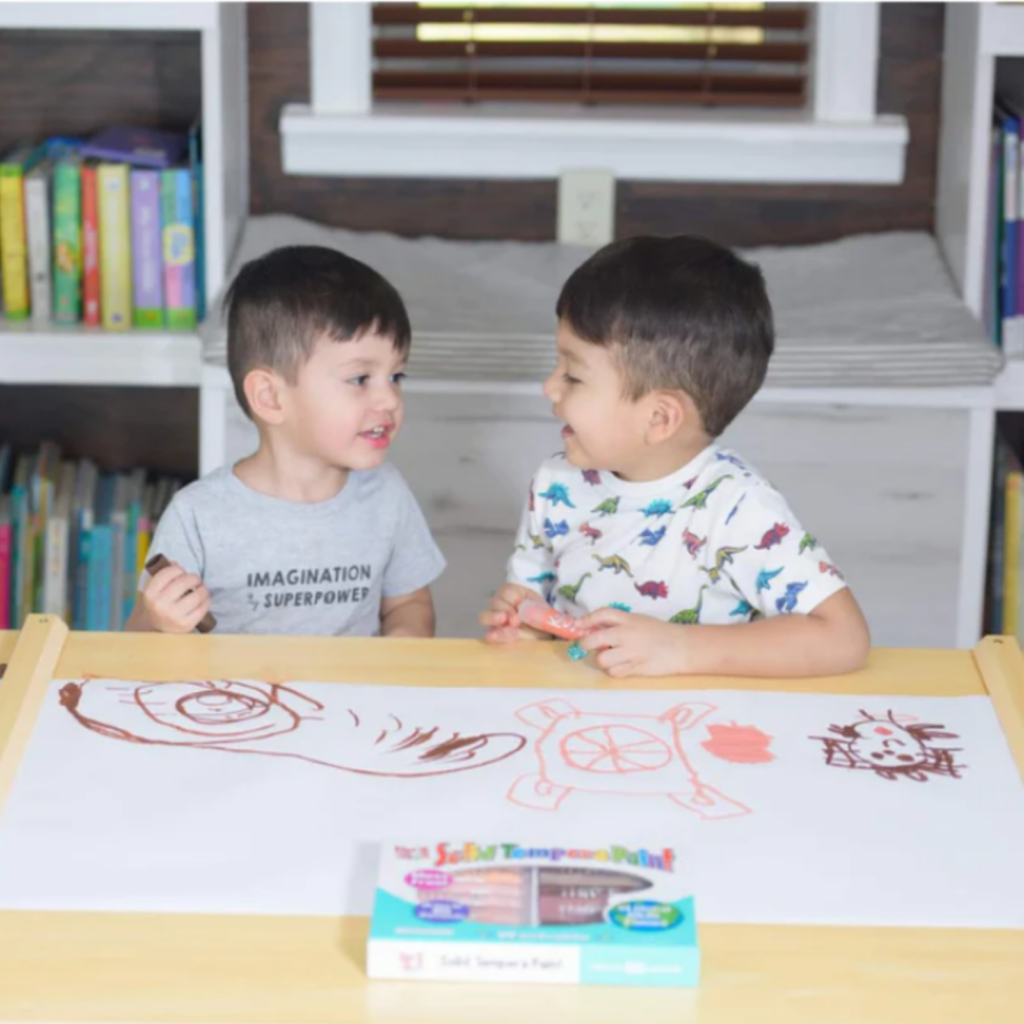
One type of task that keeps children engaged but still feels like summertime fun is art. Art projects offer both creative and intellectual stimulation while also providing a relaxing outlet for child and guardian alike. Additionally, art projects can incorporate concepts from other realms of learning like science and math so that children continue to practice what they learned last year through the summer.
Art projects can also offer a new way for a child to shine. Whereas school’s focus on grades can be stressful for some children, the only requirement of an art project is that the kid gets it “done”. Low-stakes tasks like this can boost a kid’s confidence as well as provide an outlet for them to express their emotions and release feelings of stress or anxiety.
Below are five of our favorite summertime art projects. Because different kids have different needs, we’ve included adaptive tips for each project that makes them accessible and enjoyable for children with developmental delays or sensory sensitivities.
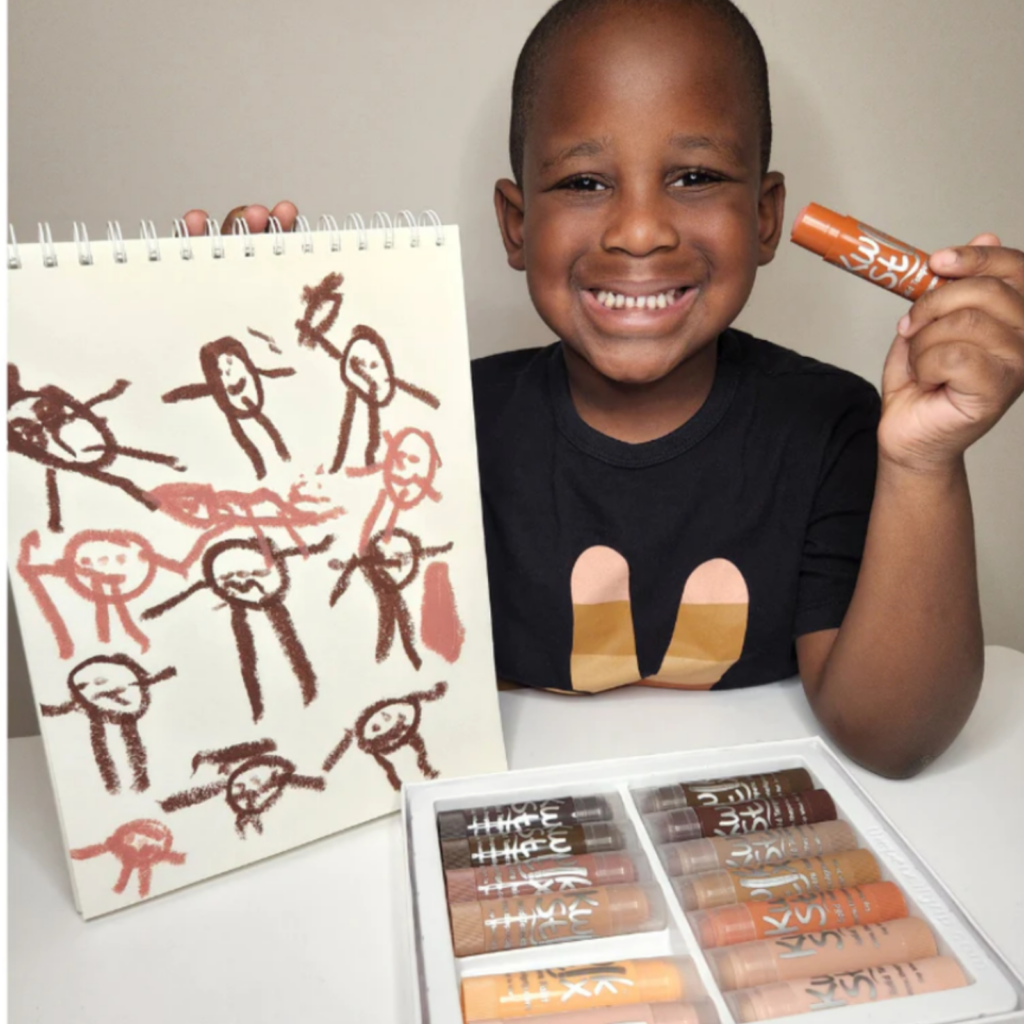
But first, a few general tips for creating a sensory-friendly art experience:
1. Whether your child is sensory sensitive or not, always offer them choices. Let them pick the materials and opt out of anything that feels uncomfortable.
2. Keep expectations flexible. Focus on your child’s experience rather than the end product.
3. Create a quiet, safe art zone. Noise-canceling headphones, soft music, or a cozy corner can make a big difference for a child’s focus, especially if they are prone to distraction or overstimulation.
4. Guide your child until they feel confident, and then let them do their thing! Standing by to help your child when they feel unsure or uncapable can go a long way in helping a child develop the confidence they need to start tackling new tasks on their own.
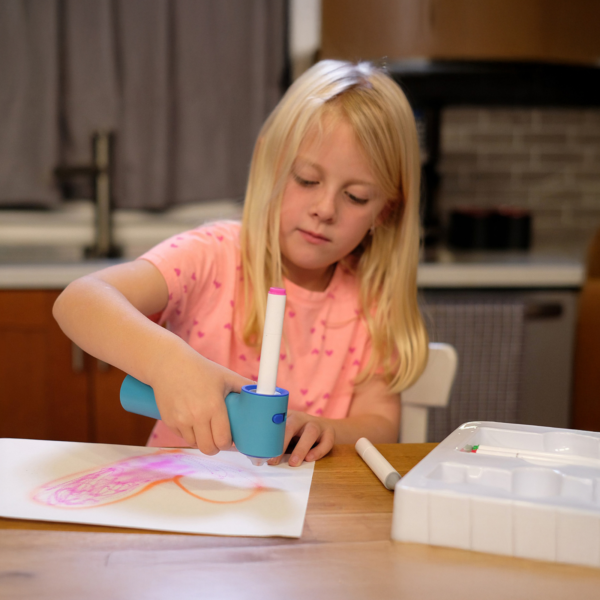
5. Embrace repetition! Some parents feel that they need to think of a new activity every single day – that’s not necessarily true! Many children enjoy revisiting an enjoyable activity and trying new approaches. Some may even want to tackle the same project until they get it exactly right. So don’t feel overwhelmed by the length of summer vacation. With just a few good projects in your back pocket, you can provide stimulating fun for your child until school doors open in the fall.
Our top 5 summertime art projects – with sensory friendly adaptive suggestions
1. Nature Collage
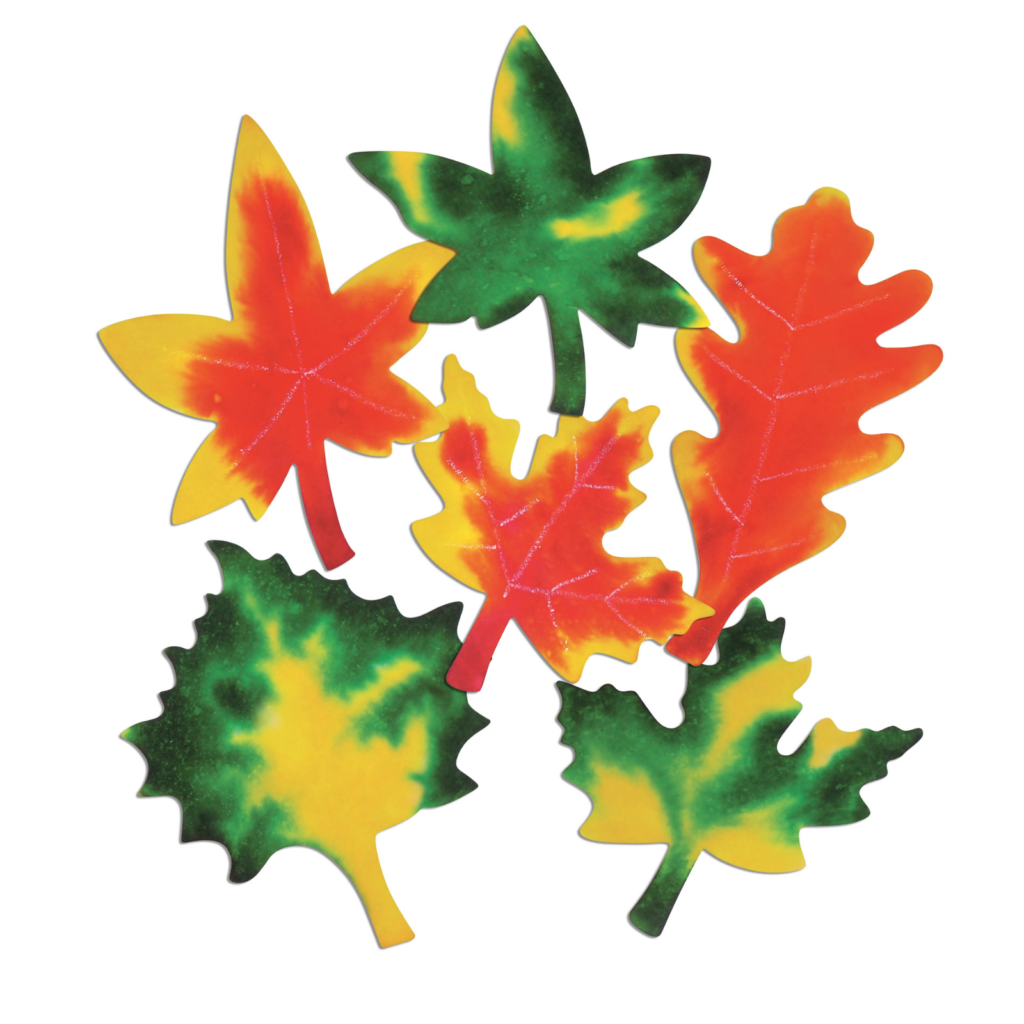
This low-mess, calming art project encourages children to spend time enjoying the outdoors before settling into the project. Take your child on a nature walk – in whatever outdoor setting you have access to. While you walk, gather small natural elements like leaves, flowers, and small sticks. Then, help your child glue these accessories onto large pieces of cardboard to create nature-themed collages. (You can reuse cardboard from food containers or shipping packages to cut costs.) Your child may be surprised to find what they can turn these pieces into – a leaf may become a fish or a couple sticks might be made into a stick person.
Adaptation tips: If being outdoors is overwhelming for your child because of noise and sights, this “scavenger hunt” type walk may help. Giving your child something to focus on while outside can provide a sense of grounding. It may also help to equip them with sensory dampening tools like earplugs or sunglasses.
While completing the project, let your child wear gloves or use tweezers if the texture of the natural materials or glue feel uncomfortable. Offer unscented glue sticks instead of liquid glue if smell or stickiness is an issue.
2. Paper Mosaic
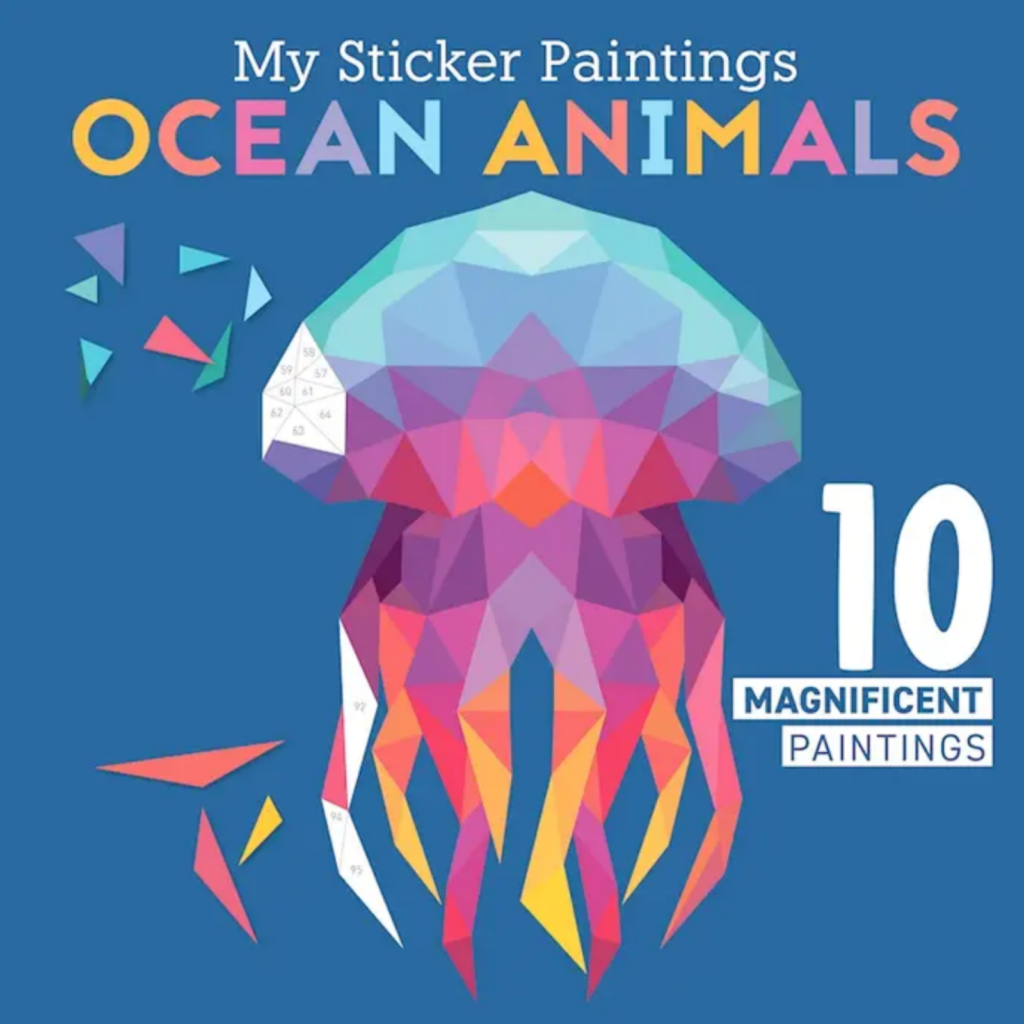
For children who enjoy repetitive, structured activities, creating a mosaic from paper pieces can be a captivating outlet. Prepare materials for your child by cutting irregular shapes from colored paper. (You can cut these shapes from recycled paper products like paper packaging or magazines. Or, to save time, you can buy purchase pre-cut paper pieces.) Then, let your child paste or tape these pieces onto a large piece of paper to create a colorful picture.
Adaptation tip: For children who thrive with more structured activities, draw an outline of a simple picture for them to fill in or offer them a mosaic sticker book with pre-set designs. Let kids sort their mosaic paper pieces by color before they begin if they find sorting calming.
3. Shell or Rock Painting
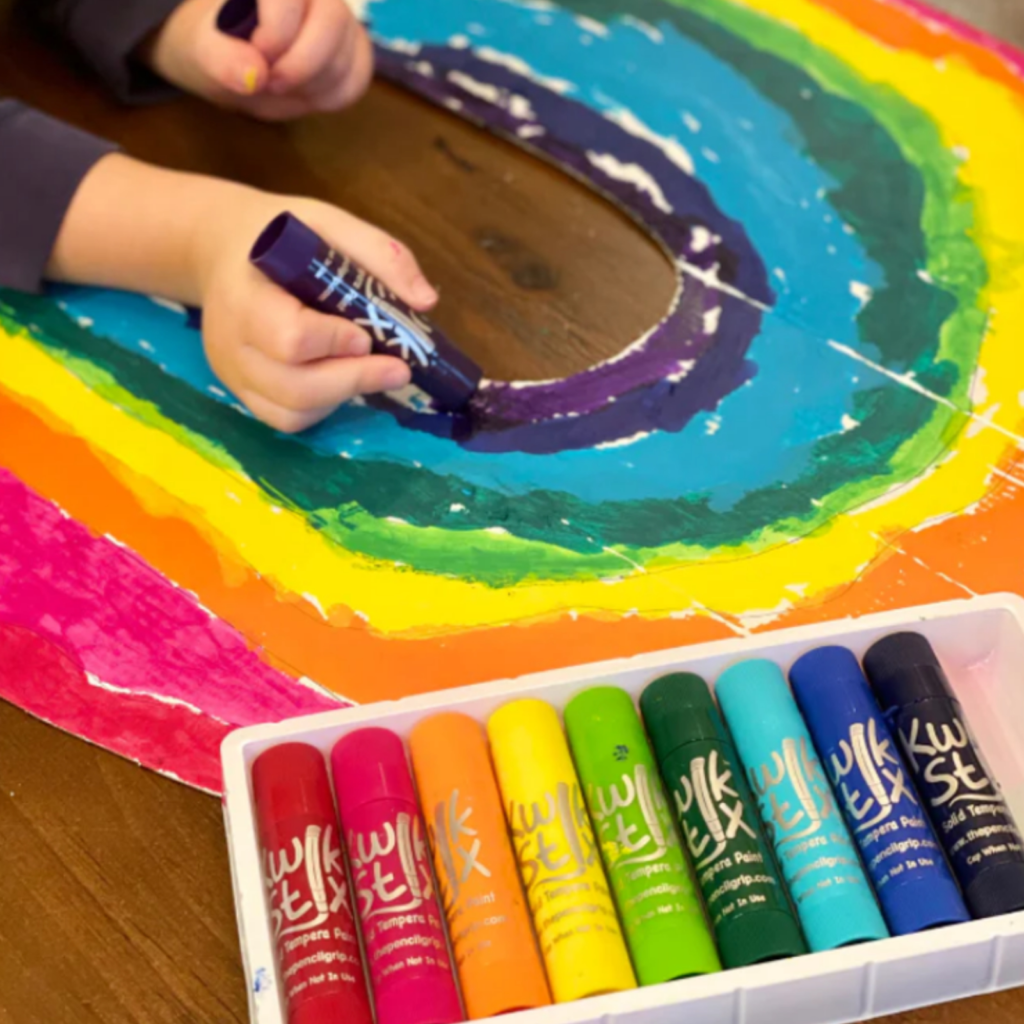
Painting is fun, but painting on something other than paper is an even bigger thrill. Let your child decorate real objects by having them paint shells or rocks. You can first take them on a walk to find their natural canvases. Then, set them up with washable but hardy paints like acrylic or tempera. Let them transform their rocks or shells into whatever they desire.
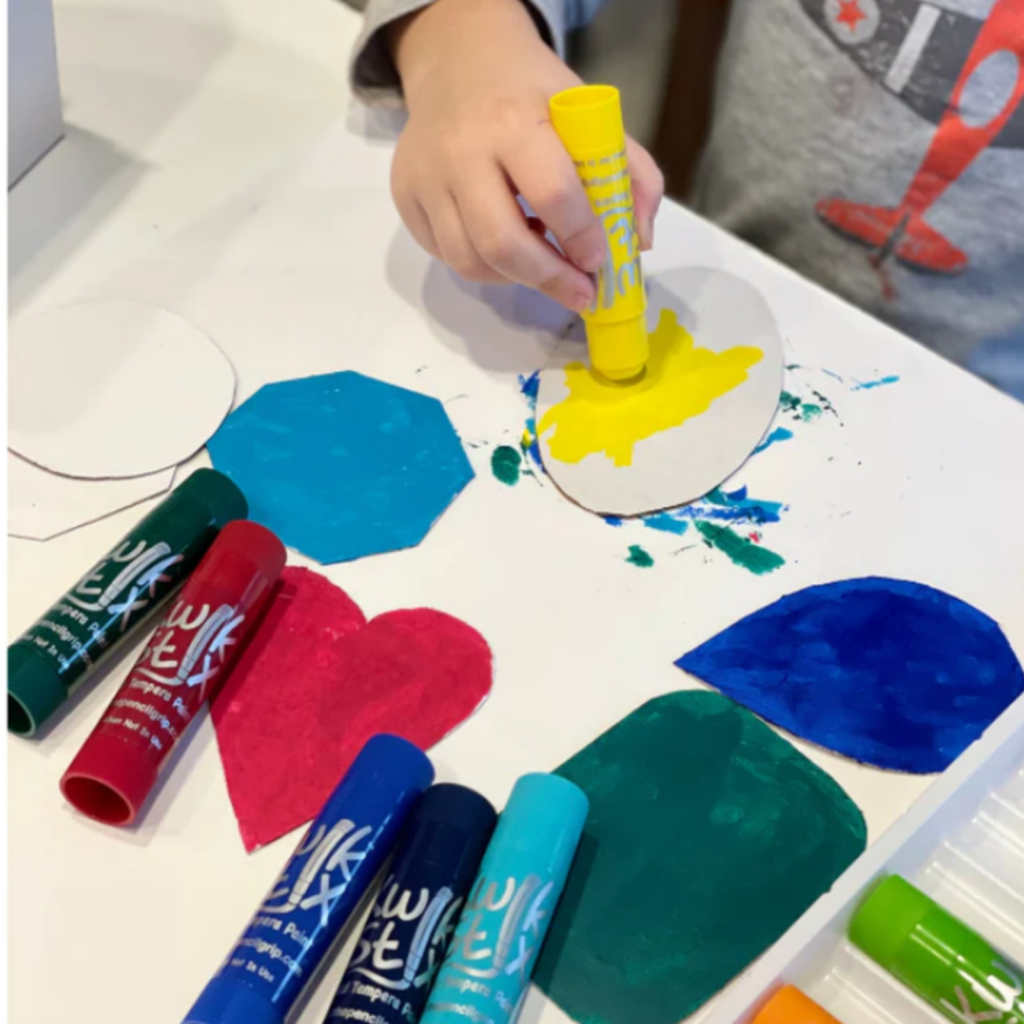
Adaptation tip: Use paint pens or paint sticks for more precision and less mess. You can also draw simple outlines on the rocks with sharpies for children who crave more structure.
4. Face Painting
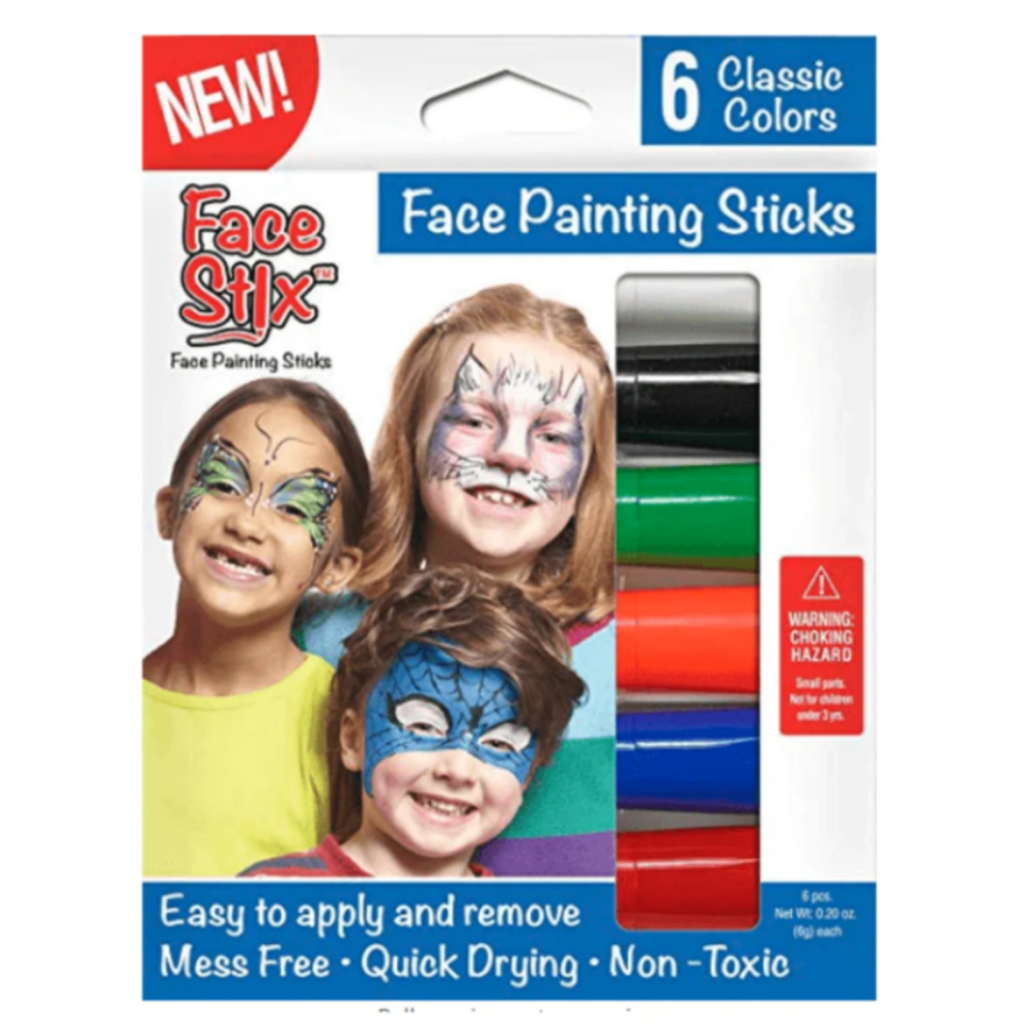
On the other hand, what’s more fun than painting… yourself? On days when you’re okay with a little more mess, letting your child experiment with face paint will engage their imagination and encourage facial attention. Find nontoxic paint that is meant for skin – other paints may not wash off easily! You can let your child paint their own arms and legs, or even practice painting on their own face by using a mirror.
For the bold guardian – letting your child paint your face can encourage confidence as your child finds themselves in a position of authority. This can also help children who struggle with paying attention to faces. Using someone else’s face as a canvas will provide a reason for them to be extra attentive to facial features. Turn it into a game by having them use different colors when you make different expressions.
Adaptation tip: Some children may find the sensation of paint on their skin stimulating and soothing. Others may find it very unpleasant! Use discretion and awareness of your child’s tendencies before offering this as an activity.
5. Calm Down Jars
Sometimes the best part of an art project is getting to look at it after it’s done. Calm Down Jars are one such project, meant to be enjoyed after the fact. Give your child a see through container. You can use empty and cleaned plastic water or soda bottles, plastic tupperware or mason jars, or any other clear container.
Let them fill the bottom third with trinkets or small items. Beads, buttons, or glitter are good choices for this. Then, fill the rest of the bottle with water and seal it tightly. You can make it extra secure by applying a layer of glue around the cap. Your child can now invert the bottle and watch the colorful elements gently float through the water.
Alternatively, let your child layer colored sand or rice into the container and fill it halfway to two-thirds of the way full. Do not add water and seal as described. Your child can shake the bottle and watch the colored sand slowly combine over time.
Adaptation tip: Let your child choose the colors and amounts of their adds. This art project leaves you with a great self-regulating tool that your child can return to later.
Summer art is more than fun — it’s a way for children to explore their world, connect with others, and express what they see through their unique lens. With a few thoughtful adjustments, every child can engage in creative expression and feel proud of what they make. So stock up on supplies, head outside (or stay cool indoors), and let your child’s imagination get to work.