
Wiggle While You Work: Setting up a focus-friendly homework space
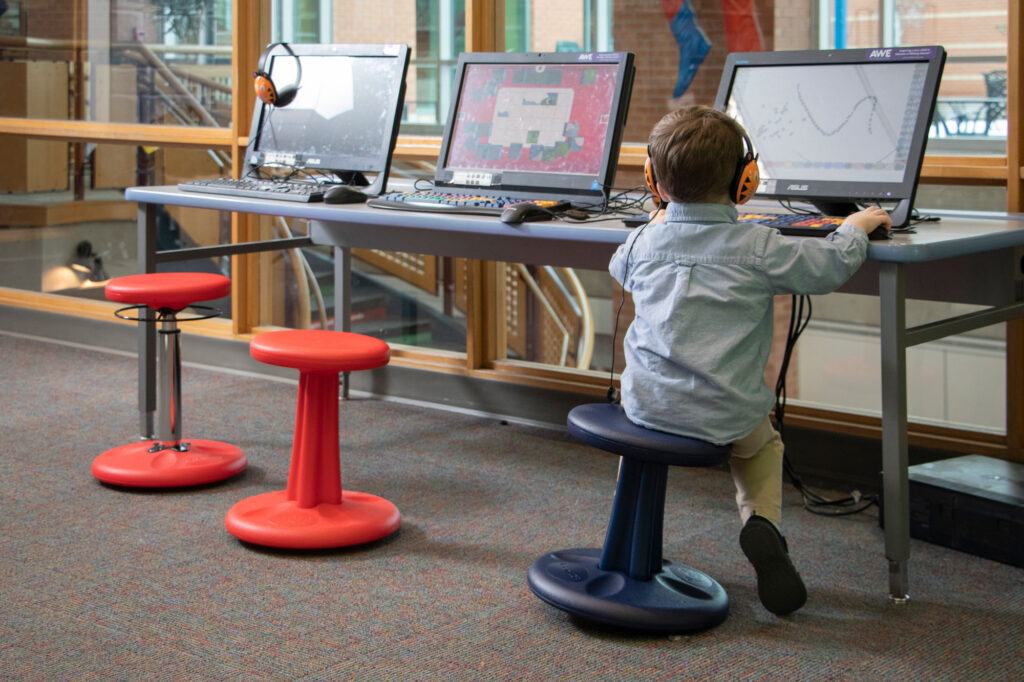
It’s that time again – back-to-school is right around the corner! And parents and guardians may be wondering how to get their kids back into school spirit.
After months of outdoor play, fun activities, and relaxed schedules, returning to a routine of sit-down-and-study can be difficult for some kids. Children with ADHD, autism, or sensory disorders may find it particularly hard to settle back into the stationary learning offered by most schools.
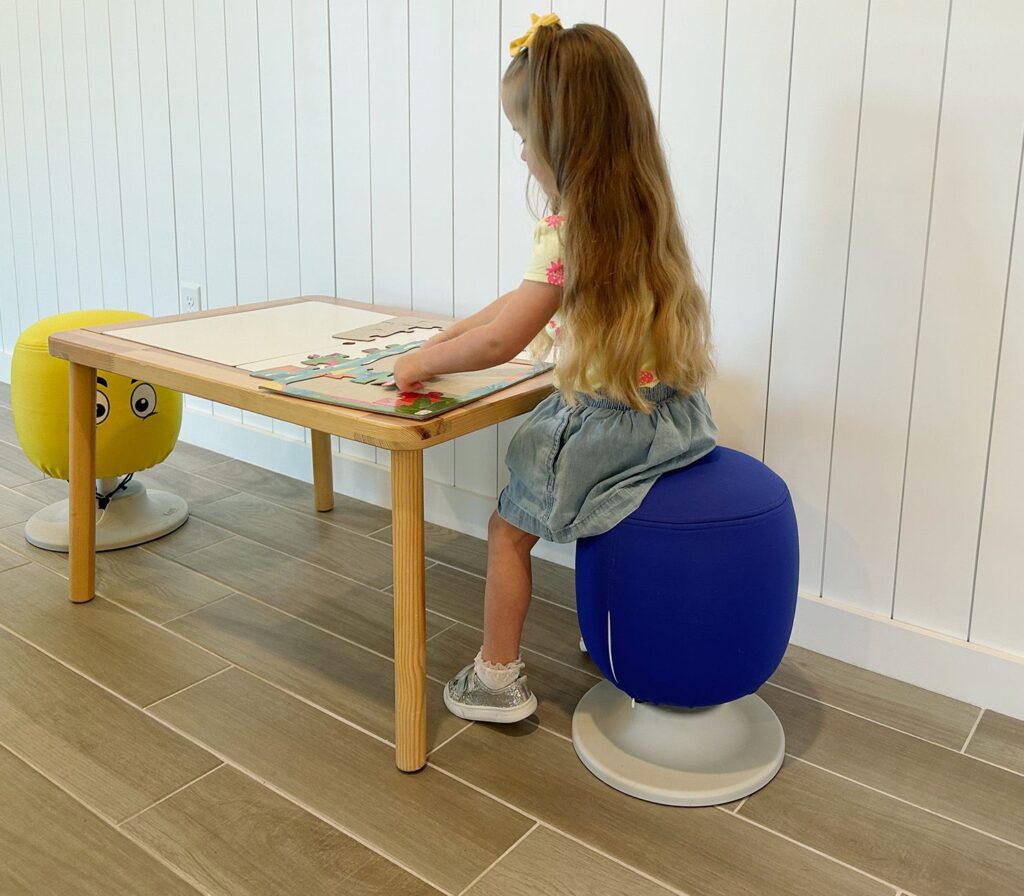
But setting up a sensory-friendly homework space can help some kids with the transition back into school rhythms. Below are some of our favorite tools for children who require a little extra help to settle in and focus.
Tools for getting the wiggles out
For some children, the biggest obstacle to completing schoolwork comes from the inside. They want to move and don’t seem to ever sit still. Restless feet and shifting hips make sitting at a traditional desk impossible or at the least very uncomfortable. And schoolwork gets done piecemeal — if at all — because these children hate having to sit still for longer than one second at a time.
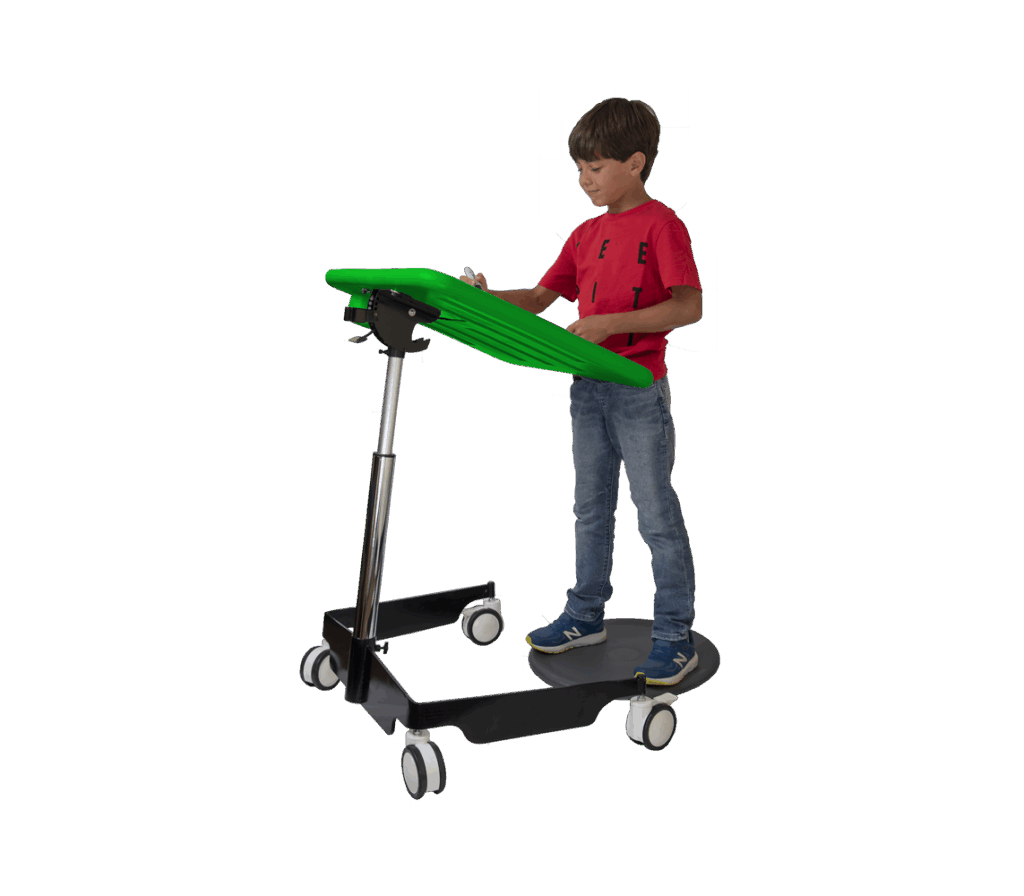
Parents with children who have endless wells of energy may want to consider home study furniture that works with, rather than against, their child’s natural tendency to move. Study furniture like standing desks and kinetic stools provide study infrastructure while providing outlets for shifting around.
Regular chairs can be adapted for squirmy butts with the help of wiggle seats or twisting cushions. Children and teens can move their cores and exert themselves while remaining seated – helping them to complete assignments at longer stretches.

Some children don’t need to complete a full-body workout every time they try to study but would still benefit from the option to move a little bit. Floor accessories like bounce boards provide pushback for tapping feet without drawing too much attention to them.
Tools to reduce distractions
Other children struggle with completing schoolwork at home because they are easily distracted by things around them. These children can benefit from sensory aids that dampen external stimuli and thereby reduce distraction.
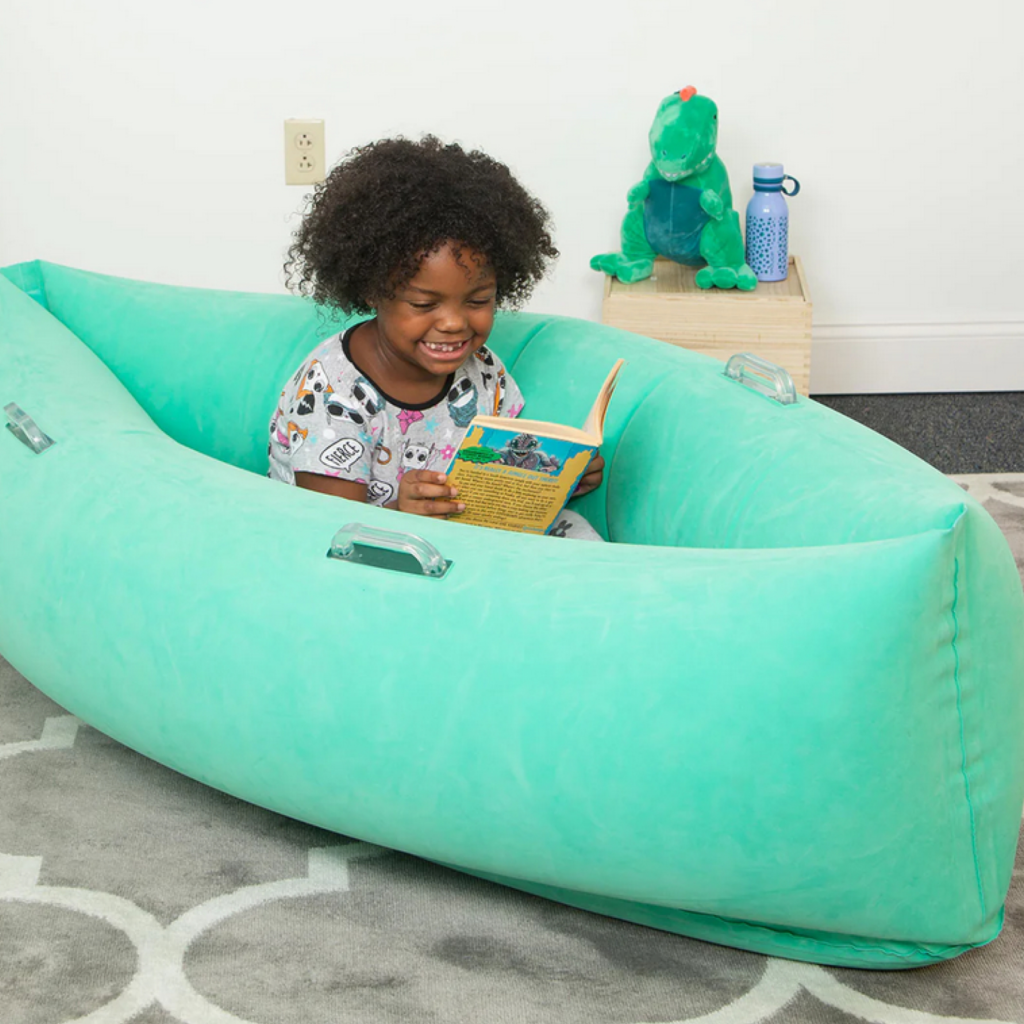
These tools can be as simple as a pair of earplugs to block out distracting noises or can be as encompassing as a full sensory den that blocks out sights as well as sounds that might disrupt a child’s focus.
Fidget-friendly accessories
For children with smaller twitches, fidget aids like poppers, putty, and chews can provide outlets for small movements that actually promote focus and thinking. These small movements, called stims, are done by most people – if you’ve ever tapped your fingers while waiting in line or played with a click pen during a boring meeting, you’ve benefited from a fidget.
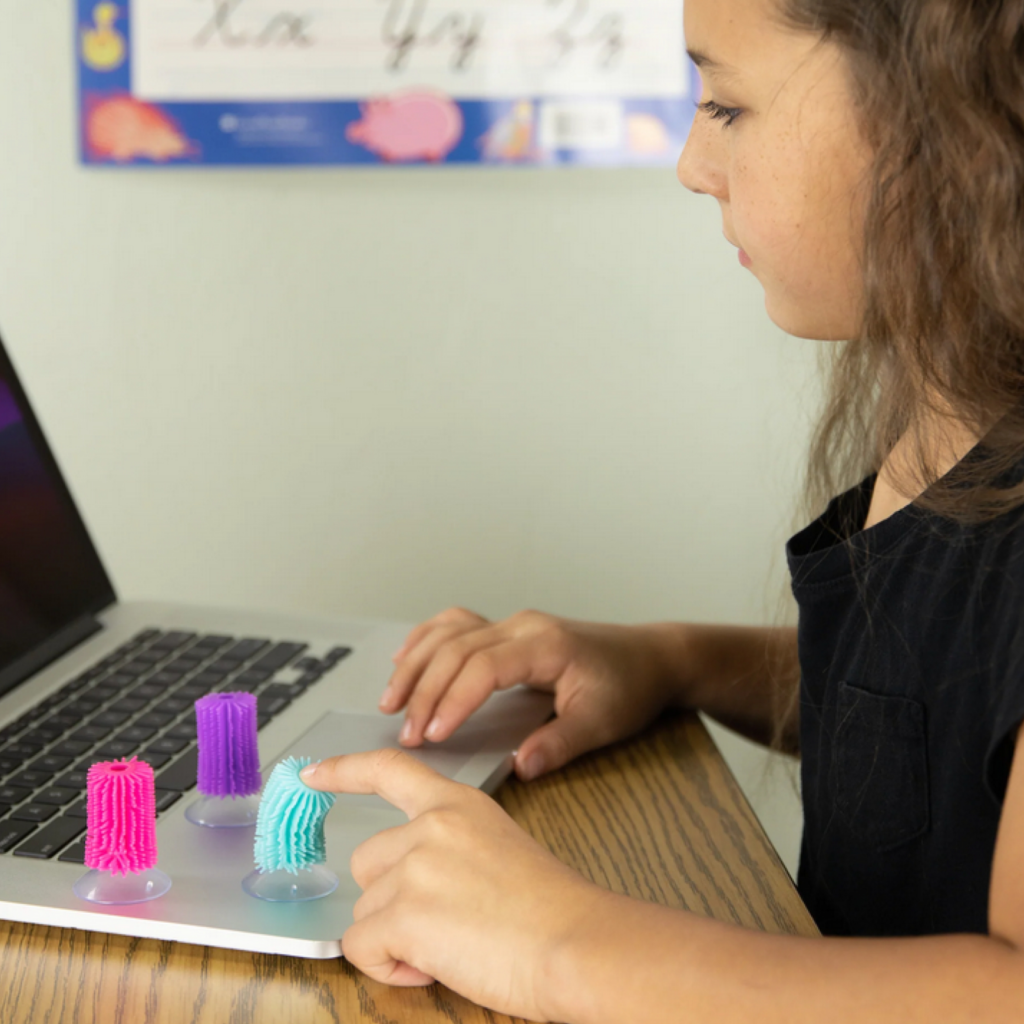
Fidgets come in a wide array of types and different children may prefer different motions or sensory feedback. Some children may prefer quick, repetitive motions like clicking, tapping, or flicking. Others may want to suck or chew while they think. Providing durable, food grade chews (called chewelry) ensures that your child does not accidentally ingest something dangerous while they work.
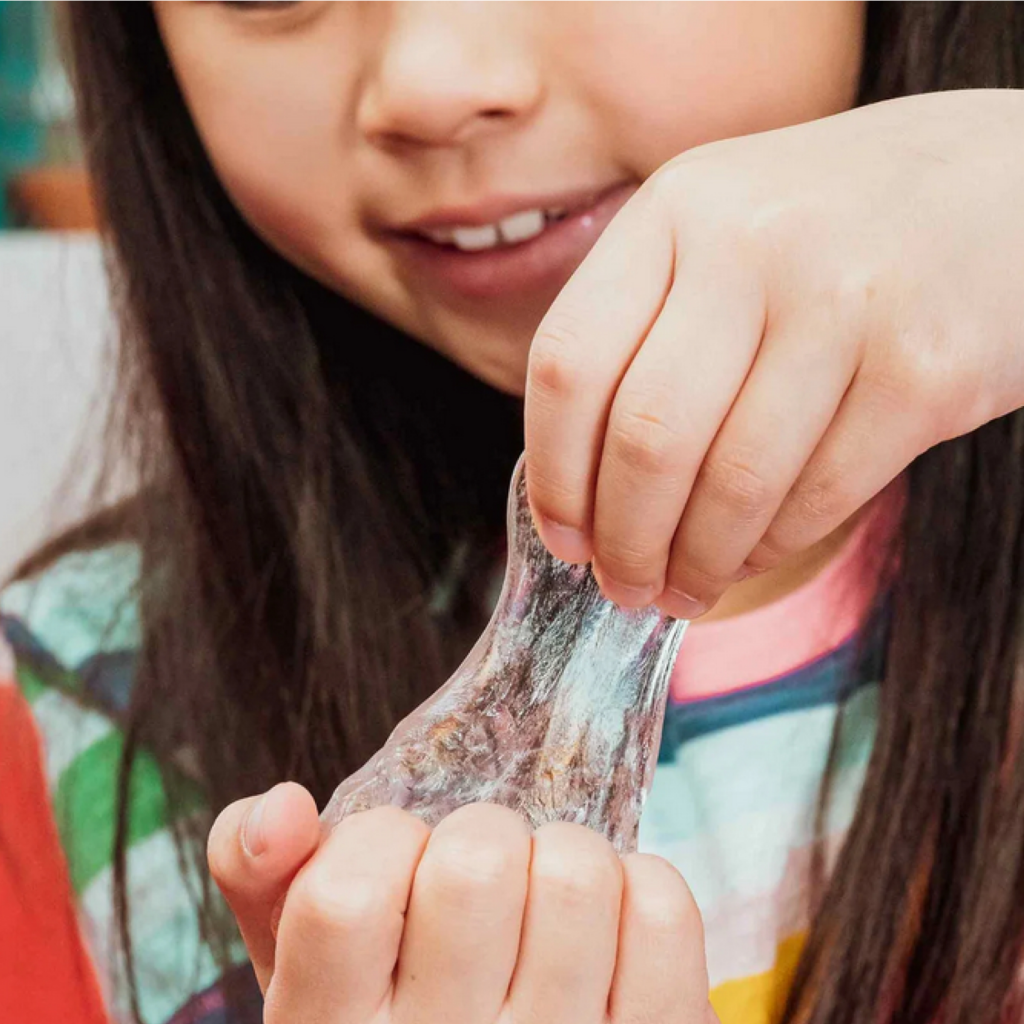
For sensory seekers, fidget aids like thinking putties or tactile zen strips allow users to squeeze, stretch, or rub a varity of textures while pondering.
Afterschool calm-down tools
While many children with ADHD, autism, or sensory disorders seem to have endless amounts of energy, it’s important to remember that they also have limited capacity for absorbing new stimulation – and are prone to overstimulation if they don’t take time to calm down as well as move.
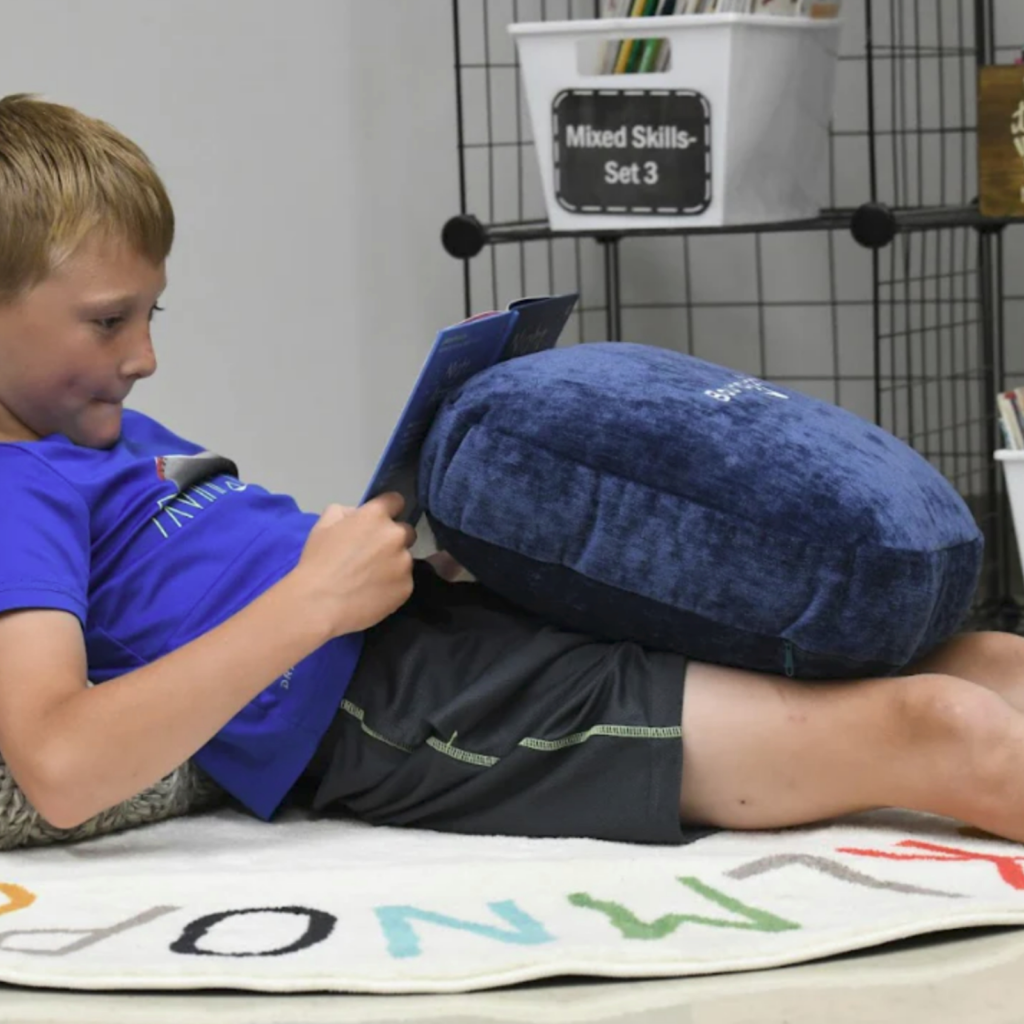
To help them settle into a schoolwork mood, parents and guardians of high energy children may consider incorporating a cool down period into their afterschool routine. Tools like weighted blankets or weighted lap pads promote relaxation and grounding. These can help a child physically calm down before turning their attention to their homework.
Soothing music, a snack, and time to talk about their day are also important for helping a child unwind after their day at school. These steps can offer opportunities for caregivers to connect with their kid and stay tuned in to what’s going on in their day to day.